
That may be the strangest part.
You pick up your phone, unlock it and tap the same app you’ve already opened several times that day.
You’re not looking for a specific person, message or piece of information.
You just open it.
Maybe there was a reason once. Now it’s simply what your hand does whenever a quiet moment appears.
While the kettle boils. While you’re standing in a queue. While you’re sitting on the sofa or walking from one room to another.
Somehow, the phone is already in your hand before you’ve consciously decided to pick it up.
For a long time, I didn’t notice how automatic this had become.
The strangest part isn’t the scrolling
Have you ever opened Instagram, looked around for a minute, closed it and then opened it again thirty seconds later?
I have.
Nothing particularly interesting happened during the first visit. I didn’t suddenly remember something I needed to check. There was no reason to expect the second visit to be any different.
My mind had simply learned that every empty moment should be filled.
That is what I find more interesting than the amount of time we spend scrolling. Often, we can’t even remember why we opened the app in the first place.
We went there automatically, received whatever the algorithm had prepared for us and left with several new thoughts we hadn’t asked for.
Maybe we saw bad news, somebody’s success, an argument or a product we were now expected to consider buying. A moment earlier, none of these things had anything to do with our day.
Now they were in our heads.
We don’t leave much space anymore
Almost every spare minute has become an opportunity to consume something.
A reel, podcast, headline, opinion or new idea is always available. Waiting for something without reaching for content can feel strangely uncomfortable.
Even boredom has become a problem we’re supposed to solve immediately.
I don’t think it is.
Sometimes boredom is simply the short period before your own thoughts have a chance to appear.
That doesn’t mean those thoughts will always be interesting. You may remember that you need to buy washing powder or wonder why you walked into the room.
But those are still moments in which your mind isn’t being directed by someone else.
When we remove every empty space, we also remove many of the places where our own ideas, questions and preferences begin to form.
We rarely give ourselves enough time to find out what might have happened after the boredom.
I stopped using social media personally
At one point, I stopped using social media in my personal life.
I still use it for Wander Balance. I schedule content, reply to messages and do what I need to do. Then I leave again.
At first, I assumed I would miss it.
Instead, I noticed that I stopped wondering what everybody else was doing.
The change wasn’t immediate or dramatic. I didn’t suddenly become incredibly productive. I didn’t begin waking up at five in the morning, and I certainly didn’t unlock some hidden secret to happiness.
Things rarely change that neatly.
But slowly, I began paying more attention to my own life again.
The pressure became quieter. I worried less about trends I hadn’t cared about before seeing them. I stopped collecting advice I hadn’t searched for and questioning whether everybody else had somehow figured out life before me.
My own thoughts eventually became easier to hear than everybody else’s.
That was enough.
Social media isn’t the villain
I don’t think social media is evil.
I still use it. It helps me run my business, share ideas and connect with people who might never have found Wander Balance otherwise. You’re reading this article because the internet exists.
The problem isn’t that these tools are available.
The problem begins when they quietly become our default response to every moment of silence.
A tool can be useful while still taking up more space than we intended to give it. Social media can help you stay connected while also making it difficult to remain present in your own life.
Both things can be true.
You don’t need to choose between loving technology and throwing your phone into a lake.
You can simply begin noticing when you’re using it and when it’s using a habit you’ve built.
I wanted to feel less pulled
After stepping away from personal social media, I didn’t become a completely different person.
My life remained ordinary. I still procrastinated, got distracted and had days when I didn’t feel particularly inspired.
But I felt less pulled.
I was less convinced that I was missing something important every five minutes. I didn’t need to keep up with every conversation, trend or update from people I barely knew.
There was more distance between my life and everybody else’s.
That distance helped me recognise which interests and goals were actually mine. It also made ordinary moments feel less like gaps I needed to fill.
Making coffee could just be making coffee.
A walk didn’t require a podcast, a photograph or proof that it happened.
This is one reason analog habits quietly changed my life. They gave my attention something physical and intentional to return to when opening an app would have been the automatic choice.
Searching is different from waiting to be shown something
When I want to learn something now, I try to go looking for it.
I choose a book, search for an article or watch a video about a specific question.
There is a big difference between searching for an answer and waiting for an algorithm to decide what you should think about next.
When you search intentionally, you begin with your own question.
When you scroll, the platform provides the questions, concerns and desires for you.
You may open an app feeling perfectly content and leave wondering whether you need a new routine, product, career or personality.
You didn’t choose to consider any of those things. They simply appeared.
An hour later, you may have spent more time thinking about lives that have nothing to do with yours than about the life you were trying to build.
Maybe we’ve lost intention, not only attention
We talk a lot about losing our attention online.
But maybe we’ve also lost some of our intention.
We don’t always choose what we consume. We open the door and let whatever happens to be there enter.
That matters because the things we repeatedly give our attention to begin shaping what feels important.
If you constantly see other people moving faster, your own pace may start to feel wrong. If you receive advice all day, you may begin doubting decisions you were comfortable with before. If every quiet moment becomes content, your own thoughts never get much time to develop.
Attention isn’t only about concentration.
It influences what you notice, want and believe your life should look like.
Ask why before you open the app
Before opening another app, pause for a second and ask yourself:
Why am I opening this?
The question isn’t meant to make you feel guilty.
Sometimes there is a clear answer. You want to reply to a message, post something or look up a particular account. Open the app and do it.
Other times, there is no answer.
Your hand simply moved towards the familiar place where boredom usually disappears.
You can still open it. This doesn’t need to become another rule you follow perfectly.
The value is in noticing that a choice exists.
If you decide not to open the app, leave the moment empty for a while. Don’t immediately replace it with another form of content.
See what your mind does when nothing new arrives.
Give your own thoughts somewhere to go
The internet will always have something new to show you.
Your own thoughts ask for much less.
Usually, they just need a little space.
That is one reason I keep a journal nearby. I don’t document every day perfectly or expect a notebook to solve my problems. It simply gives me somewhere to go when I want to hear my own voice instead of opening another app.
Sometimes I write a page. Sometimes only a few sentences.
The point isn’t to produce anything impressive.
It’s to make sure my thoughts have somewhere to exist before they’re buried underneath everybody else’s.
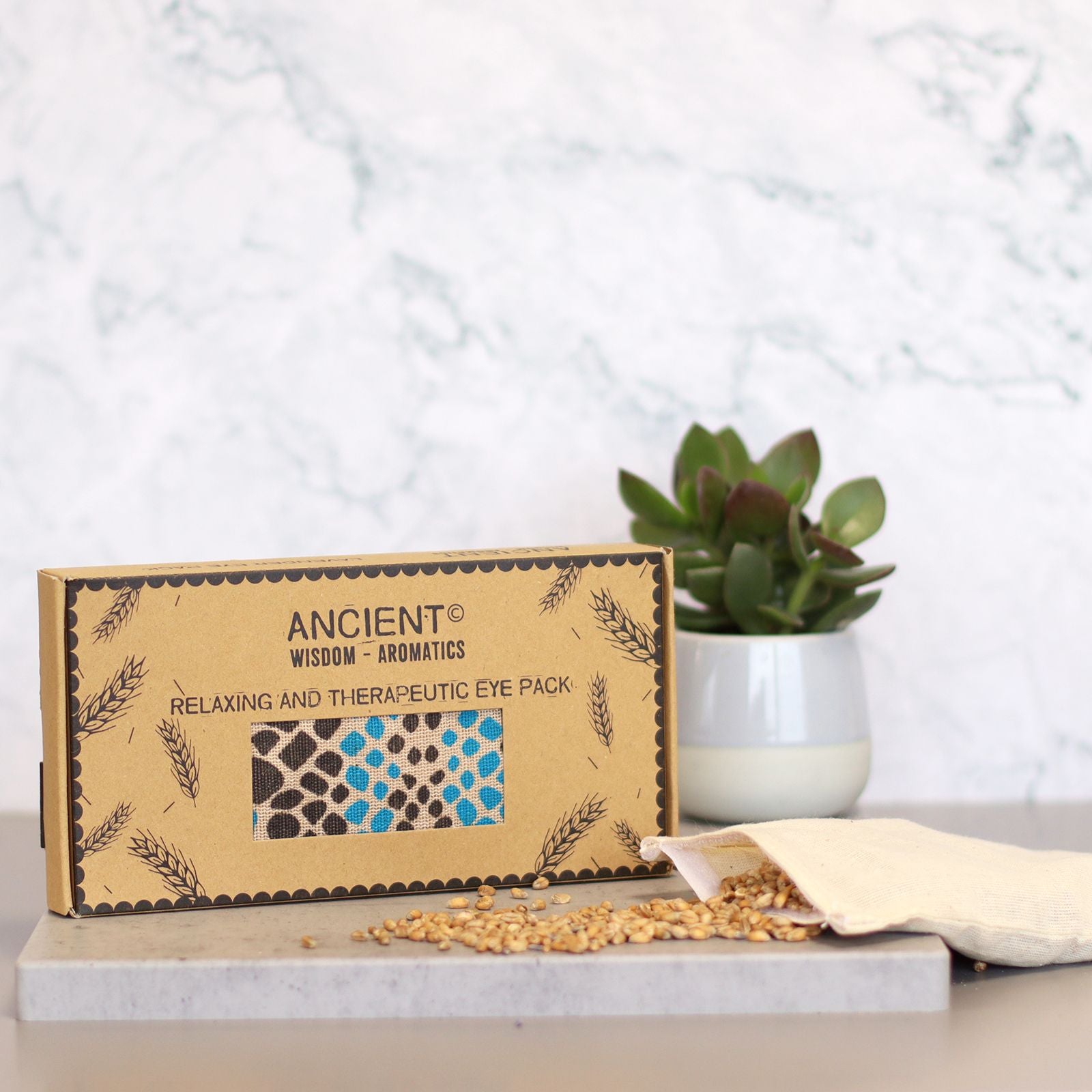
If you’d like a simple place to begin, you can explore the White Wellness Journal here.
You don’t have to leave social media completely.
Just remember that opening it can be a decision again.