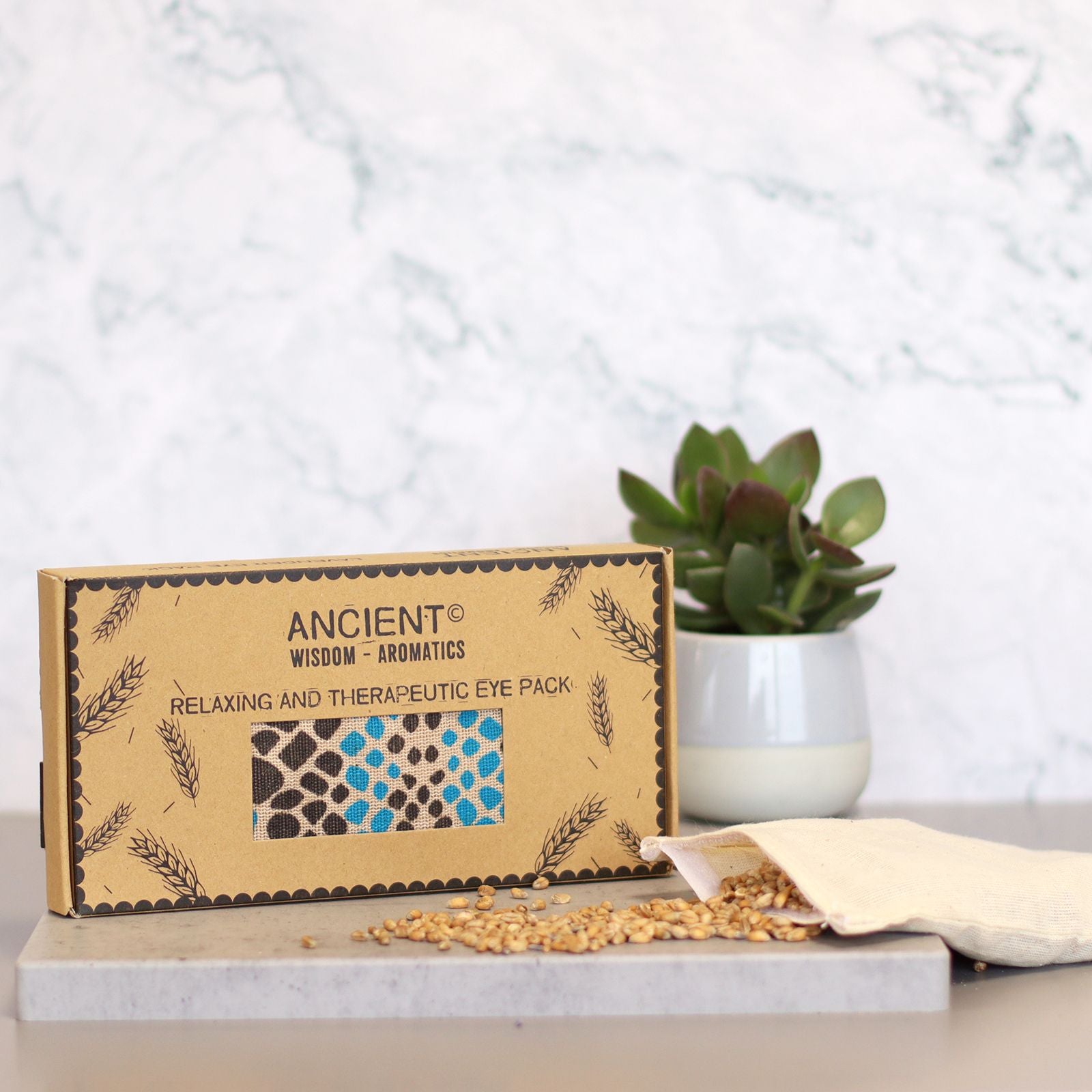

The wellness industry has become very good at making well-being look like something you can buy, organize and perform correctly.
There is always a new routine, supplement, product or habit that supposedly belongs in a healthy life. Wellness is presented through spotless kitchen counters, matching workout clothes and mornings with enough carefully arranged steps to require their own project manager.
It can look beautiful.
It can also make taking care of yourself feel like an enormous amount of work.
The more wellness advice I consumed, the more I began to wonder whether I was doing it wrong. I didn’t wake up excited to complete a twelve-step morning routine. Sometimes I didn’t want to meditate, exercise or prepare an aesthetically convincing breakfast.
Sometimes I just wanted coffee and ten minutes without anybody asking me to become better at something.
That made me reconsider what wellness actually meant in my own life.
Wellness shouldn’t become another standard you can fail
Many wellness habits can be genuinely helpful.
Movement, nutritious food, sleep and time to rest matter. Products and routines can make caring for yourself easier or more enjoyable.
The problem begins when wellness becomes another way to measure whether you’re doing life correctly.
You follow the routine for three days and feel guilty on the fourth. Rest becomes something you need to earn by being productive. A difficult week feels like evidence that you’ve lost your discipline.
Instead of supporting your life, wellness becomes another performance taking place on top of it.
I don’t think taking care of yourself should require you to constantly monitor and improve every choice you make.
Some days, wellness might look like cooking a good meal and going for a walk. On another day, it may mean cancelling something, eating whatever is easiest and going to bed early.
The same routine won’t support you equally every day.
That doesn’t mean you failed at it.
It means your needs changed.
It rarely looks impressive
The moments that genuinely support me are often too ordinary to become wellness content.
Closing the laptop when there is still work left. Sitting down to drink my coffee instead of carrying it from room to room. Writing down what has been bothering me. Taking a shower after a long day and putting on comfortable clothes.
Sometimes it means doing something positive.
Sometimes it means deciding not to do one more thing.
None of this creates a dramatic transformation. There is no perfect before-and-after image.
But I can feel the difference inside my own life.
That matters more to me than whether the habit looks healthy, productive or impressive from the outside.
You don’t have to earn care
It’s easy to believe that rest and enjoyment belong at the end of the work.
Once everything is finished, you can stop. Once you’ve achieved enough, you can feel proud. Once you’ve been disciplined all week, you’re allowed to spend an evening doing nothing.
The problem is that everything is rarely finished.
There is always another email, task or way to improve what you’ve already done. If you wait until you’ve earned the right to care for yourself, you may spend a very long time waiting.
Care doesn’t have to be a reward for exhaustion.
You can rest before you have reached your limit. You can enjoy an ordinary day while you’re still working towards something bigger. You can take your own needs seriously without proving that you’ve suffered enough first.
This is one reason it helps to remember that you’re not behind just because your life moves at a different pace.
Your value isn’t determined by how efficiently you move through the day.
Taking care of yourself requires paying attention
It’s tempting to search for one routine that will always tell you what to do.
But no general wellness plan knows what kind of day you’ve had.
A habit that feels supportive today may feel like another demand tomorrow. Sometimes a workout gives you energy. Sometimes rest is the more sensible choice. Sometimes writing helps you understand what you’re feeling, and sometimes you don’t want to examine your thoughts at all.
Learning to notice these differences takes more honesty than following a fixed routine.
What do you actually need today?
Not what should a healthy person do. Not what did somebody online recommend. What would make this day feel a little more manageable for you?
The answer may be very small.
It may also be inconvenient, especially if what you need is to stop doing something you had planned.
Wellness isn’t the same as comfort all the time
Taking care of yourself doesn’t always mean choosing the easiest or most comfortable option.
Sometimes it means having a difficult conversation, making an appointment, setting a boundary or doing something you’ve been avoiding.
A peaceful evening can be supportive. So can dealing with a problem that keeps following you into every peaceful evening.
Wellness isn’t about removing every uncomfortable feeling from your life.
It’s about building a relationship with yourself in which you can notice what is happening and respond with something other than criticism.
You can encourage yourself without speaking to yourself like an angry manager.
You can make a change without deciding that your current self is a failure.
Small rituals can make ordinary life feel more supportive
I like small rituals because they create a transition between different parts of the day.
Lighting a candle can mark the end of work. Writing in a journal can give a repetitive thought somewhere else to go. A warm shower or simple skincare routine can help the evening feel separate from everything that happened before it.
These rituals don’t fix you.
They change the atmosphere around a moment.
Sometimes that is enough to make slowing down feel easier.
You don’t need to perform them perfectly or repeat them every day. A ritual is allowed to be useful only when you genuinely want it.
And it doesn’t need to become content.
Some moments can remain entirely yours.
Products can support a moment without promising a new life
Because Wander Balance sells wellness products, I think it’s important to be honest about what they can and cannot do.
A journal won’t make every decision clear. A candle won’t remove burnout. A diffuser won’t create a peaceful life inside an impossible schedule.
These products are not solutions to being human.
They are tools.
A journal gives you a physical place for your thoughts. A candle can make an ordinary evening feel warmer. A diffuser or familiar scent can help create a small ritual you enjoy returning to.
You don’t need any of these things to be well.
They can simply support the moments you want to make more intentional.
I would rather offer an honest tool than promise you a transformation it cannot deliver.
Sometimes wellness means adding less
Wellness is often sold through addition.
Add a new routine, product, goal, habit or piece of advice.
But if your life already feels full, more may not be what you need.
Maybe you need fewer notifications in the morning. Fewer expectations about how your free time should look. Less comparison with people whose lives have nothing to do with yours.
Perhaps the kindest change is removing one demand instead of adding another.
This doesn’t make your life smaller or mean that you’ve stopped growing.
It can give the things that already matter more room.
If everything has felt heavy lately, you might also relate to Why everything feels overwhelming lately. Sometimes the problem isn’t a lack of healthy habits. Your mind is simply trying to carry too much at once.
There is no finish line
Wellness isn’t a final state you reach after completing enough good habits.
You won’t wake up one morning permanently calm, rested and certain about every part of your life.
There will still be stressful weeks, rushed mornings and days when taking care of yourself looks nothing like the version you imagined.
That doesn’t erase the progress you’ve made.
For me, wellness is less about reaching a perfect state and more about how I relate to myself during real life.
Can I notice when something isn’t working? Can I change direction without treating it as a failure? Can I enjoy my life before everything is complete?
I’m still learning.
That may be what real wellness feels like: not having every answer, but trusting yourself enough to listen, adjust and begin again without turning yourself into the problem.
If this way of thinking resonates with you, you can explore the Wander Balance collection of journals, candles and everyday tools for quieter moments.
No product will create well-being for you.
But the right one may help you create a moment that feels more like your own.